

Hear from Our Customers
You’ve seen the stains. You smell something off in the basement. Maybe you’re dealing with a persistent cough that won’t quit, or you’re about to close on a house and need to know what you’re actually buying.
Mold testing isn’t about creating panic. It’s about getting clear answers so you can make informed decisions. When you know exactly what type of mold you’re dealing with and where it’s growing, you stop throwing money at the wrong solutions.
The difference between a $500 fix and a $10,000 nightmare often comes down to catching it early. Testing identifies hidden growth behind walls, in crawl spaces, and inside HVAC systems before it spreads. You get lab-verified results that tell you if you’re dealing with harmless surface mold or something that requires immediate attention.
For homebuyers in Reeder, that documentation protects your investment. For sellers, it prevents deals from falling apart at inspection. For everyone else, it’s peace of mind that your indoor air quality isn’t slowly making your family sick.
We serve Reeder and the broader Bucks County area with professional mold inspection services. We understand how Pennsylvania’s humid summers and temperature swings create perfect conditions for mold growth, especially in older homes with outdated ventilation.
We’re not here to upsell you on remediation you don’t need. Our job is to give you accurate information using moisture meters, infrared cameras, and air sampling technology. Samples go to certified labs where microbiologists analyze exactly what’s growing in your space.
You get a detailed report that explains what we found, where we found it, and what it means for your home. No jargon. No scare tactics. Just the facts you need to move forward with confidence.
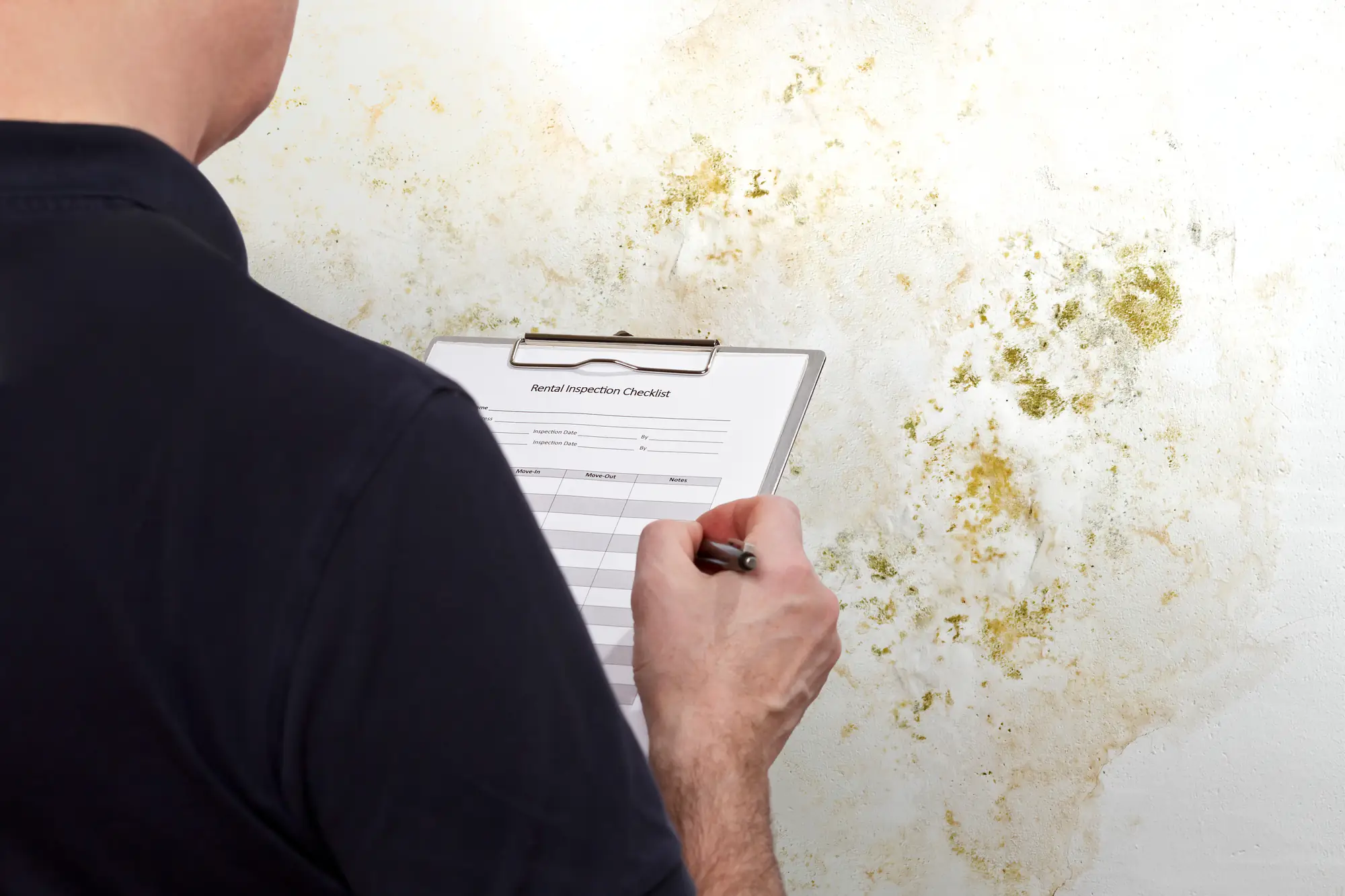
First, we walk through your property and look for visible signs of mold growth and moisture problems. We’re checking the obvious spots and the places most people miss—behind appliances, inside closets, around windows, in attics and crawl spaces.
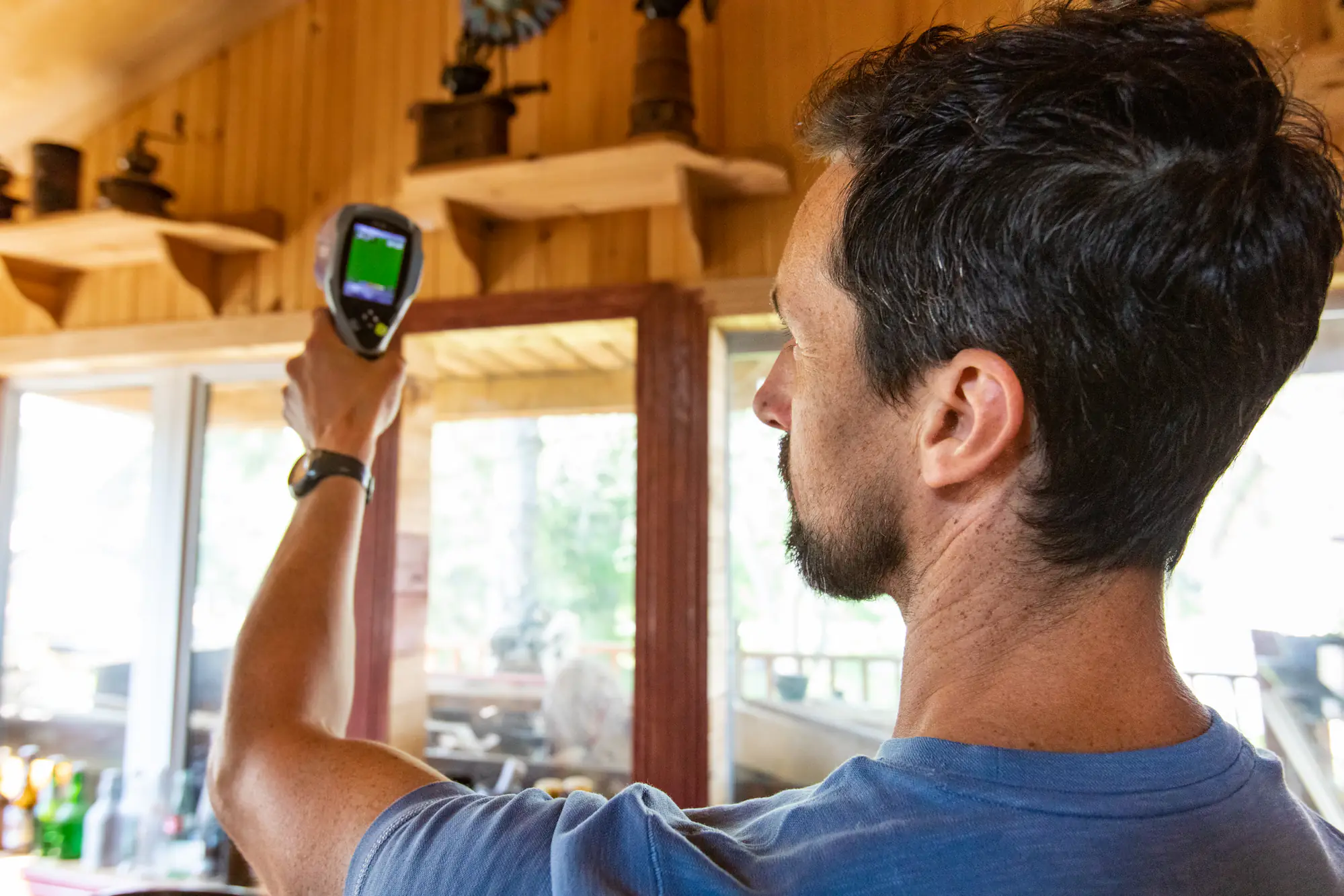
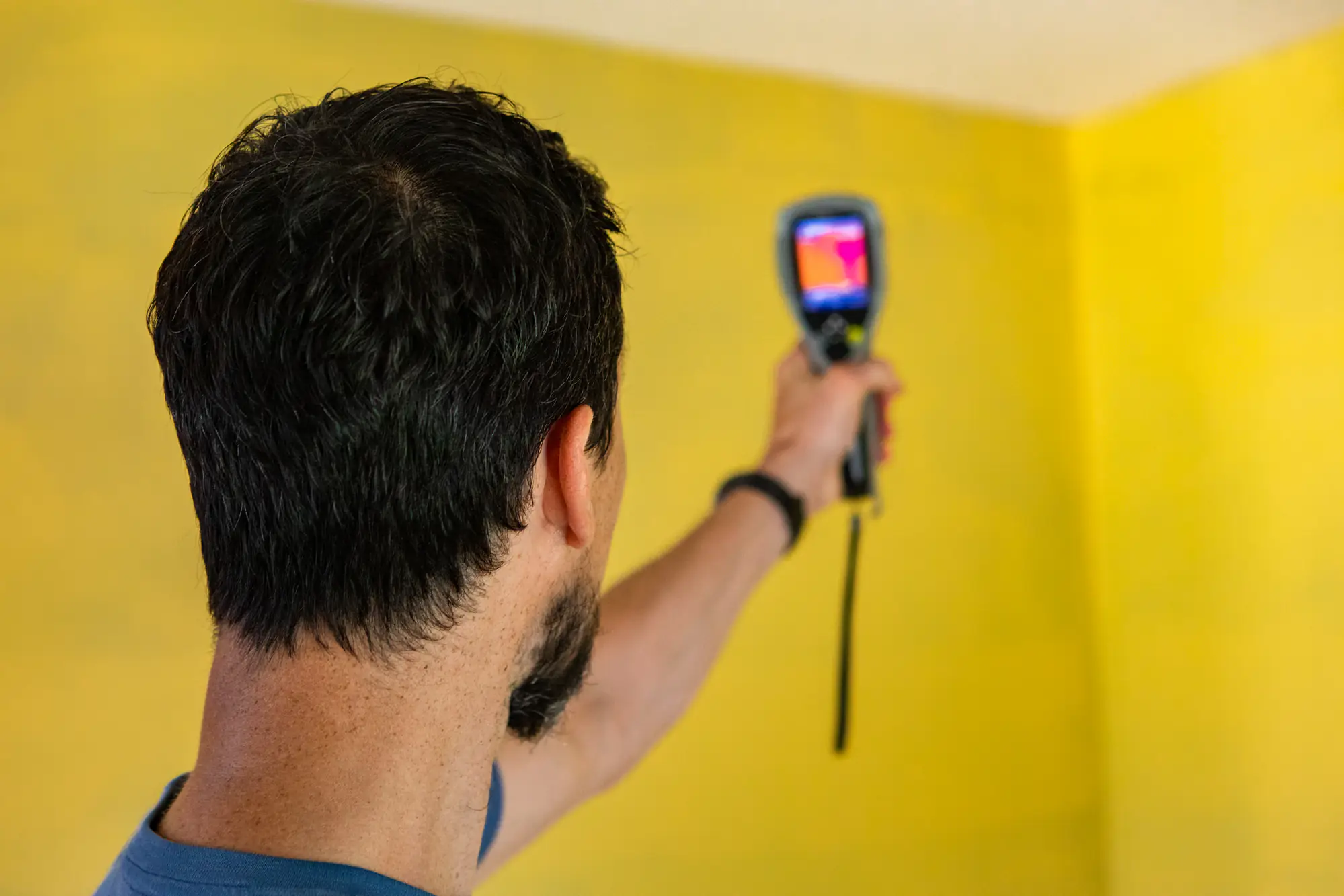
We use moisture meters to identify areas with elevated humidity levels and infrared cameras to spot temperature differences that indicate water intrusion. These tools help us find problems before they’re visible to the naked eye.
Next comes sampling. Depending on what we find during the visual inspection, we’ll collect air samples and surface samples from affected areas. Air sampling captures mold spores floating in your indoor environment. Surface sampling identifies what’s actually growing on walls, ceilings, or other materials.
Those samples head to an accredited laboratory where they’re analyzed by certified microbiologists. You receive a comprehensive report that identifies the types of mold present, the concentration levels, and whether they pose health risks. The report also includes our recommendations—whether you need remediation, improved ventilation, or just routine monitoring.
If remediation is necessary, we can handle that too. If it’s not, we’ll tell you that as well. The goal is giving you accurate information, not drumming up unnecessary work.
Ready to get started?
Your mold testing service includes a thorough visual inspection of your entire property, not just the area where you noticed a problem. We document everything with photos and detailed notes about moisture levels, visible growth, and potential risk areas.
You get both air quality testing and surface sampling. Air testing measures the concentration of mold spores in your indoor environment compared to outdoor levels. Surface testing identifies the specific species growing on walls, floors, or other materials. Both matter because mold that’s airborne affects what you breathe, while surface mold tells us about the extent of contamination.
In Reeder and throughout Bucks County, we see a lot of mold issues related to basement moisture, roof leaks, and poor attic ventilation. Pennsylvania’s climate—with precipitation up 5-10% in recent years—means homes are dealing with more moisture than they were designed to handle. Older properties especially struggle with this.
Your lab report breaks down exactly which mold species are present. Some molds are relatively harmless. Others, like black mold, produce mycotoxins that can cause serious respiratory issues, headaches, and allergic reactions. The report gives you the information you need to understand the actual risk level.
We also provide post-remediation testing if you’ve already had mold removed. This verifies that spore levels have returned to normal and the job was done correctly. It’s the only way to confirm your air quality is actually safe again.
Most residential mold testing in Reeder runs between $300 and $600, depending on your home’s size and how many samples we need to collect. A basic inspection with air sampling for a small home costs less than comprehensive testing for a larger property with multiple problem areas.
That might sound like a lot upfront, but compare it to the alternative. Mold remediation without testing means you’re guessing at the problem. You might spend thousands treating the wrong areas while the actual source keeps growing. Or worse, you ignore a serious issue because you can’t see it, and it turns into a $10,000 remediation job six months later.
Testing also protects you during real estate transactions. If you’re buying a home in Reeder, spending $400 on mold testing could save you from purchasing a property with hidden damage that costs tens of thousands to fix. If you’re selling, having documentation that your home is mold-free prevents deals from falling apart during inspection.
A mold inspection is the visual walkthrough where we examine your property for signs of mold growth, water damage, and moisture problems. We’re looking at walls, ceilings, floors, crawl spaces, attics, and anywhere else mold typically grows. We use moisture meters and infrared cameras to identify problem areas you can’t see with your eyes alone.
Mold testing goes further. We collect actual samples—either from the air or from surfaces—and send them to a lab for analysis. The lab identifies the specific types of mold present and measures the concentration levels. This tells us whether you’re dealing with harmless mold that’s common in most homes or toxic varieties that require immediate remediation.
You need both for a complete picture. The inspection finds where mold is growing. The testing tells you what’s growing and how serious the problem is. Some companies offer inspection-only services, but without lab testing, you’re making decisions based on incomplete information. That’s fine if you just want to know “is there mold here?” But if you need to know “should I be worried about this?” or “do I need remediation?”, you need the lab results.
The on-site inspection and sample collection usually takes one to three hours, depending on your property size and how many areas we’re testing. We’re thorough, but we’re not wasting your time either.
Once we collect the samples, they go to a certified lab for analysis. Lab results typically come back within three to five business days. Rush processing is available if you’re in the middle of a real estate transaction or dealing with a health emergency, though that costs extra.
You’ll receive a detailed written report that explains what we found, what it means, and what you should do next. We’re available to walk through the results with you and answer questions. The report includes photos from the inspection, lab data showing mold species and concentration levels, and our professional recommendations.
If you need the results for an insurance claim or real estate closing, the report is formatted to meet those requirements. We’ve worked with enough insurance companies and real estate attorneys to know what documentation they need.
You can buy DIY mold test kits at hardware stores for $10 to $50, but they’re not giving you the same information as professional testing. Most home kits just tell you “yes, mold is present”—which isn’t particularly useful since mold spores exist in virtually every indoor environment.
What you actually need to know is what type of mold you’re dealing with, how much of it is present, and whether it’s at levels that require action. Home kits can’t tell you that. They also can’t identify hidden mold growth behind walls or in crawl spaces, which is often where the real problems are.
Professional testing uses calibrated equipment to measure moisture levels and collect samples from specific locations. The samples are analyzed by microbiologists who can identify dozens of different mold species and measure their concentration. That specificity matters because the difference between harmless mold and toxic mold determines whether you need a $500 dehumidifier or a $10,000 remediation.
If you’re just curious whether mold exists in your home, a DIY kit might satisfy that curiosity. If you’re making decisions about remediation, insurance claims, or real estate transactions, you need professional testing with lab-verified results.
Yes, identifying the moisture source is a critical part of professional mold testing. Mold doesn’t grow without moisture, so finding where the water is coming from is just as important as finding the mold itself.
During the inspection, we use moisture meters to measure humidity levels in walls, floors, and ceilings. Infrared cameras help us spot temperature differences that indicate water intrusion—like a slow leak inside a wall or condensation in an attic. We’re looking for roof leaks, plumbing problems, foundation cracks, poor ventilation, and anywhere else water might be getting in.
In Reeder and Bucks County, we commonly see mold problems caused by basement moisture, inadequate attic ventilation, and aging roofs that leak during heavy rain. Pennsylvania’s increased precipitation over the past decade means homes are dealing with more water than they used to. Older properties especially struggle because they weren’t built with today’s moisture levels in mind.
Our report identifies the likely moisture source and explains what needs to be fixed. Treating mold without addressing the underlying moisture problem is pointless—it’ll just grow back. You need both pieces of information to actually solve the problem instead of temporarily covering it up.
If you’re buying an older home, a property with a basement, or any house where you’ve noticed musty smells or water stains during the walkthrough—yes, you should get mold testing before closing. Pennsylvania law requires sellers to disclose known mold issues, but “known” is the key word. If they haven’t tested for it, they might genuinely not know about hidden growth.
Mold can reduce a home’s value by 20% to 37%. More importantly, remediation can cost anywhere from a few hundred dollars to $10,000 or more, depending on the extent of contamination. Finding out after you’ve closed means you’re paying for that out of pocket.
Professional mold testing gives you leverage during negotiations. If we find a problem, you can ask the seller to handle remediation before closing, reduce the purchase price to cover the cost, or walk away from the deal entirely. Without testing, you’re buying blind.
Even if the home inspection didn’t flag mold issues, that doesn’t mean they don’t exist. Standard home inspections aren’t as thorough as dedicated mold testing. Inspectors look for visible problems, but they’re not collecting air samples or using specialized equipment to find hidden growth. If you’re spending hundreds of thousands of dollars on a home in Reeder, spending a few hundred on mold testing is cheap insurance.
Other Services we provide in Reeder